





/NASA’s%20Artemis%20III%20Announcement%20(Official%20NASA%20Trailer)~thumb.jpg)

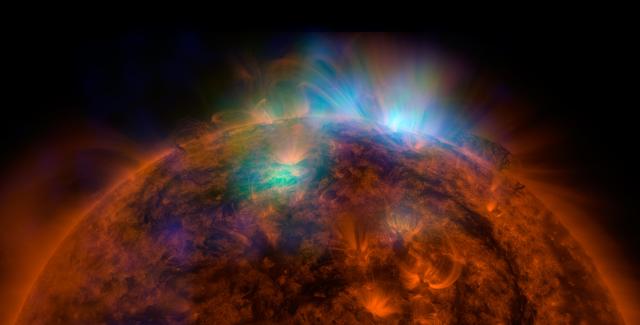
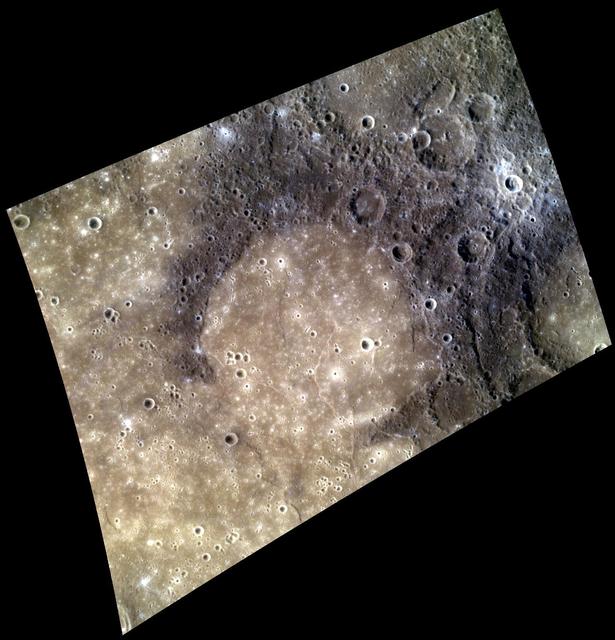
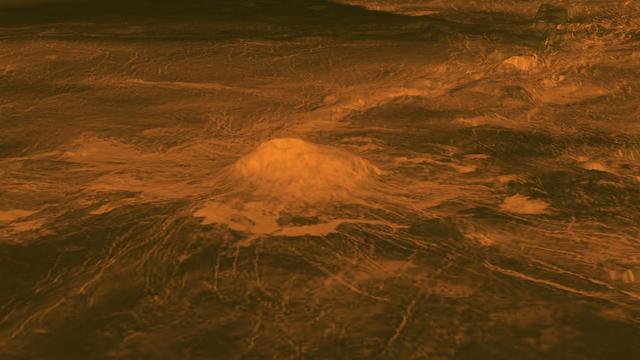
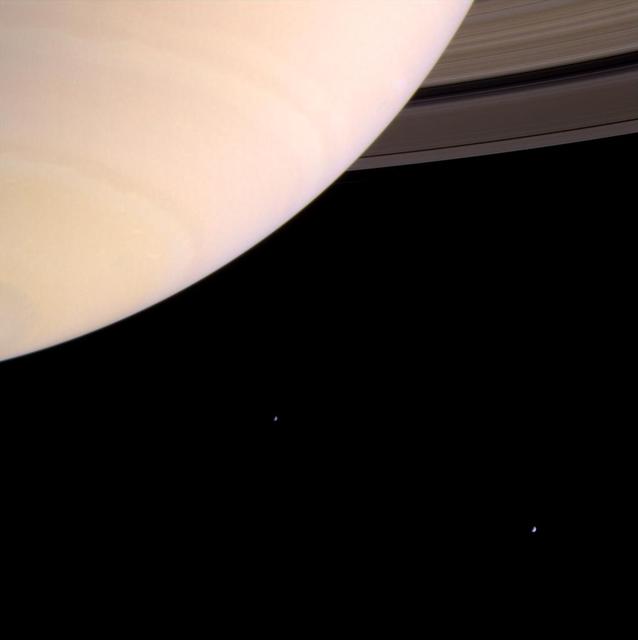
Where does the solar system end? It all depends on the criteria you are using. Based on where the planets end, you could say it's Neptune and the Kuiper Belt. If you measure by edge of the sun's magnetic fields, the end is the heliosphere. If you judge by the…
Ver en NASA ↗🚀 Biblioteca espacial oficial
Imágenes y vídeos de NASA
Explora el catálogo multimedia público de NASA sin salir de TuPortalNews.
Explora temas destacados
Selecciona un tema o realiza una búsqueda personalizada.
916 resultados en NASA
Stefanie Milam talks about Webb's focus on our solar system.
Ver en NASA ↗Scientists are unlocking clues about the earliest formation of our solar system from a Kuiper Belt Object known as 2014 MU69.
Ver en NASA ↗NASA Science Live: Storms Across the Solar System [Episode 4]
Ver en NASA ↗Web short covering the IBEX science result
Ver en NASA ↗Asteroid Bennu (1999-RQ36) is a survivor of our solar system's chaotic formation, composed of the same raw ingredients that created our planet. When NASA's OSIRIS-REx mission visits asteroid Bennu, its findings will teach us a great deal about our own origins.
Ver en NASA ↗NASA’s Psyche spacecraft will use highly sensitive cameras to allow scientists to see a metal-rich asteroid that’s never been imaged up close before. Planetary scientist and Psyche mission co-investigator Jim Bell of Arizona State University, along with his…
Ver en NASA ↗This narrated video provides an overiew of the OSIRIS-REx mission to observe asteroid Bennu and retreive a sample for study on Earth.
Ver en NASA ↗NASA scientist Lynn Carter talks about her work in the Planetary Geodynamics Laboratory.
Ver en NASA ↗NASA Science Live: Our Weird Home [Episode 3]
Ver en NASA ↗View of the SLS (Space Launch System) rocket successfully separating from the interim cryogenic propulsion stage of the Orion spacecraft during ascent.
Ver en NASA ↗NASA is sending the OSIRIS-REx spacecraft to asteroid Bennu to better understand the evolution of its orbit and retrieve a pristine sample for study on Earth.
Ver en NASA ↗There are millions of asteroids in our solar system, so why is NASA going to the asteroid Psyche? Scientists hypothesize that this particular asteroid, which orbits the Sun between Mars and Jupiter, could be part of the metal-rich interior of a planetesimal, …
Ver en NASA ↗Instrument scientist Dennis Reuter answers questions about Pluto, NASA’s New Horizons spacecraft, and the Ralph infrared and visible spectrometer.
Ver en NASA ↗NASA Science Live: Psyche’s Journey to a Metal World [Episode 49]
Ver en NASA ↗Contenido y metadatos proporcionados por la NASA Image and Video Library.