






/NASA’s%20Artemis%20III%20Announcement%20(Official%20NASA%20Trailer)~thumb.jpg)

Shadowes square sail made up of four triangles lit-up gently floating in space above the curve of the Earth with the sun a dim spot in the back ground..
Ver en NASA ↗🚀 Biblioteca espacial oficial
Imágenes y vídeos de NASA
Explora el catálogo multimedia público de NASA sin salir de TuPortalNews.
Explora temas destacados
Selecciona un tema o realiza una búsqueda personalizada.
7.273 resultados en NASA
Square sail made up of four triangles lit-up gently floating in space above the curve of the Earth.
Ver en NASA ↗Square- shaped sail made up of four semi-transparent triangular sails centered in space above the curve of the Earth with the sun in the distant background.
Ver en NASA ↗Four cameras aboard the Advanced Composite Solar Sail System spacecraft show the four reflective sail quadrants supported by composite booms. The booms are mounted at right angles and the spacecraft’s solar panel is rectangular, but lines appear distorted bec…
Ver en NASA ↗Four cameras aboard the Advanced Composite Solar Sail System spacecraft show the four reflective sail quadrants supported by composite booms. The booms are mounted at right angles and the spacecraft’s solar panel is rectangular, but lines appear distorted bec…
Ver en NASA ↗Four cameras aboard the Advanced Composite Solar Sail System spacecraft show the four reflective sail quadrants supported by composite booms. The booms are mounted at right angles and the spacecraft’s solar panel is rectangular, but lines appear distorted bec…
Ver en NASA ↗Four cameras aboard the Advanced Composite Solar Sail System spacecraft show the four reflective sail quadrants supported by composite booms. The booms are mounted at right angles and the spacecraft’s solar panel is rectangular, but lines appear distorted bec…
Ver en NASA ↗TODD SCHNEIDER ADJUSTS THE LIGHT HITTING A SAMPLE INSIDE THE HIGH INTENSITY SOLAR ENVIRONMENT TEST SYSTEM CHAMBER.
Ver en NASA ↗Four triangular sails silhouetted against the background of the Earth.
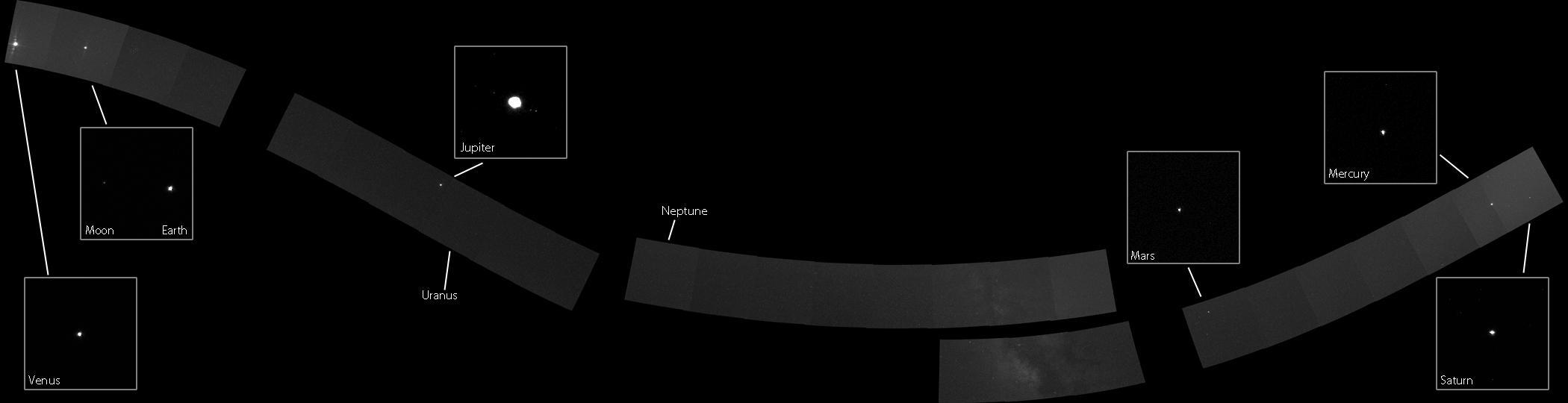
Ver en NASA ↗This image shows an updated version of the iconic Pale Blue Dot image taken by the Voyager 1 spacecraft.
Ver en NASA ↗Aerovironment technicians carefully line up attachments as a fuel cell electrical system is installed on the Helios Prototype solar powered flying wing. The fuel cell system will power the aircraft at night during NASA-sponsored long-endurance demonstration f…
Ver en NASA ↗Technicians for AeroVironment, Inc., jack up a pressure tank to the wing of the Helios Prototype solar-electric flying wing. The tank carries pressurized hydrogen to fuel an experimental fuel cell system that powered the aircraft at night during an almost two…
Ver en NASA ↗This color image of the sun, Earth and Venus was taken by the Voyager 1 spacecraft Feb. 14, 1990, when it was approximately 32 degrees above the plane of the ecliptic and at a slant-range distance of approximately 4 billion miles.
Ver en NASA ↗SSE (Solar System Exploration) flight apparatus: PDE (Particle Dispersion Experiement) on-board USML-1 (GEM)
Ver en NASA ↗SSE (Solar System Exploration) flight apparatus: PDE (Particle Dispersion Experiement) on-board USML-1 (GEM)
Ver en NASA ↗The Solar Dynamics Observatory SDO spacecraft, shown above the Earth as it faces toward the Sun. SDO is designed to study the influence of the Sun on the Earth and the inner solar system by studying the solar atmosphere.
Ver en NASA ↗This size and scale of the Kepler-452 system compared alongside the Kepler-186 system and the solar system. Kepler-186 is a miniature solar system that would fit entirely inside the orbit of Mercury.
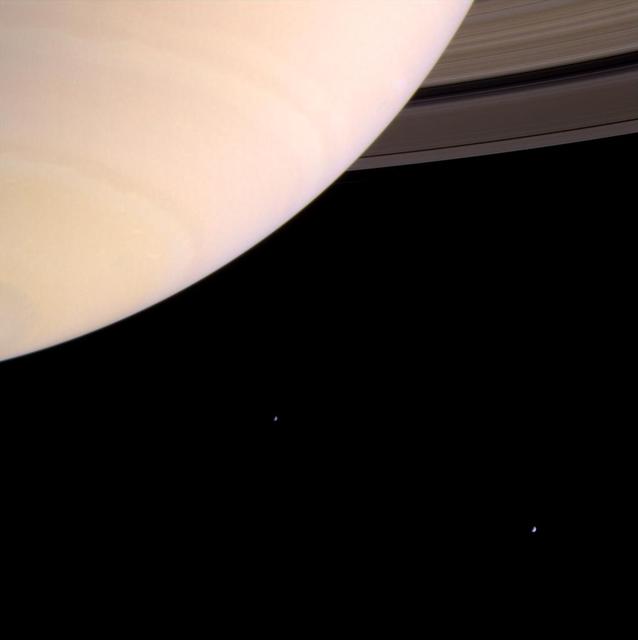
Ver en NASA ↗A swing high above Saturn by NASA Cassini spacecraft revealed this stately view of the golden-hued planet and its main rings. Saturn sports differently colored bands of weather in this image.
Ver en NASA ↗This image of the Earth is one of 60 frames taken by NASA Voyager 1 spacecraft on Feb. 14, 1990 from a distance of approximately 4 billion miles and about 32 degrees above the ecliptic plane.
Ver en NASA ↗This diagram illustrates the earliest journeys of water in a young, forming star system. NASA Spitzer Space Telescope was able to probe a crucial phase of this stellar evolution.
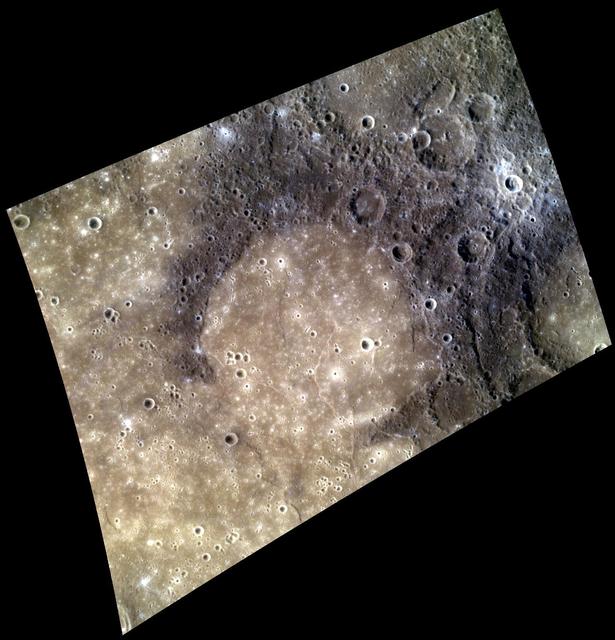
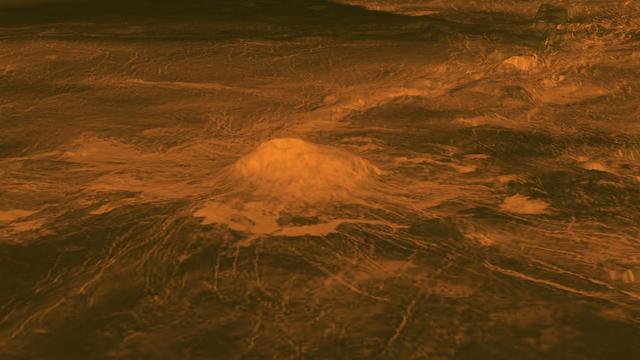
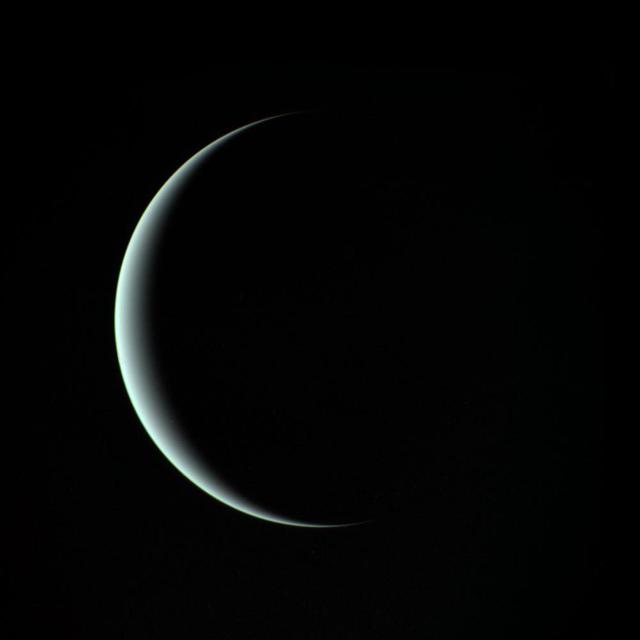
Ver en NASA ↗This is a montage of planetary images taken by spacecraft managed by NASA’s Jet Propulsion Laboratory in Pasadena, CA. Included are from top to bottom images of Mercury, Venus, Earth and Moon, Mars, Jupiter, Saturn, Uranus and Neptune.
Ver en NASA ↗This is an updated montage of planetary images taken by spacecraft managed by NASA’s Jet Propulsion Laboratory in Pasadena, CA. Included are from top to bottom images of Mercury, Venus, Earth and Moon, Mars, Jupiter, Saturn, Uranus and Neptune.
Ver en NASA ↗Melas Chasma is part of the Valles Marineris canyon system, the largest canyon in the Solar System. This image was taken by NASA Mars Reconnaissance Orbiter.
Ver en NASA ↗Ius Chasma is one of several canyons that make up Valles Marineris, the largest canyon system in the Solar System as seen by NASA Mars Reconnaissance Orbiter.
Ver en NASA ↗Contenido y metadatos proporcionados por la NASA Image and Video Library.